Local guide

Gallicianò,
living stone

A narrative and practical guide to reach the village, get your bearings from the parking lot, discover the main places, and read Gallicianò with more depth: not a list to consume, but an invitation to walk with respect.

Correct arrival

First the parking lot, then 90-100 meters on foot

Set the navigator to the parking lot.
Recommended destination: Parcheggio, 89030 Gallicianò RC.
Leave the car and proceed on foot.
From there the accommodation/arrival area can be reached in about 90-100 meters.
Walking reference.
Follow directions towards Via Anaghorio, 89030 Gallicianò RC.

Quick Maps links

These buttons serve to bring the guest to the parking lot first, avoiding confusion inside the village.

Warning for the end user. This guide helps to orient yourself and prepare the visit, but it does not replace updated checks on site. Amici Di Gallicianò Casa Giufà is not responsible for loss of orientation, route errors, accidents, weather, closures, private properties, variations of trails or information changed after publication. Always check real conditions, availability and routes before leaving.

Download the complete guide

PDF ready for the guest: arrival, parking, main places, Casa Giufà, routes and practical tips to visit Gallicianò without confusion.

Download PDF guide
Home and memory

Giuseppe's house

Casa Giufà is the house where Giuseppe Zindato was born and raised. Here Gallicianò was not an image to visit, but daily life: animals in the stable, water from the well, cheeses, work, the river bed, the mill, and mountain silences.

After a life as an entrepreneur in the fruit trade in Reggio Calabria and as a sportsman, Giuseppe restored his father's house to let guests discover the nature and identity of the village.

Why this story matters

The house is not just accommodation: it is a piece of memory returned to the village. The choice not to have Wi-Fi and television also stems from here: fewer screens, more real time, more Gallicianò.

Read the full story
Time changes pace here

Why slowing down is part of the experience

Gallicianò does not ask to be consumed quickly. It asks to be listened to: in the steps among the stones, in the wind, in the river bed, in the aromas of the local cuisine, and in the silence of the evenings.

The choice not to have television and Wi-Fi helps the guest regain attention. Less screens, less noise, more presence: this is a concrete part of Casa Giufà's hospitality.

Here silence is not empty

It's space to sleep better, really talk, walk without haste, and remember the journey not by how many things you saw, but by how much you managed to feel them.

Dining note: for guests of Casa Giufà, the full menu at Trattoria Nizio Paleò costs 25 € per person instead of 30 €, to be confirmed at the time of booking.

Discover the meaning of slowing down
Rooms and prices

Two rooms, two separate floors

Casa Giufà has two rooms on two separate floors. Each room has an independent entrance, 1 double bed, 1 single bed and can accommodate up to 3 people. The whole house can accommodate up to 6 guests.

2 separate rooms Max 3 guests per room Up to 6 guests in total Independent entrance
Direct booking from 65 € per room

Booking: starting from 65 € per room. To check real availability, write to Elisa.

Before booking

Direct booking: from 65 € per room. Write to Elisa to confirm availability, desired floor, number of guests, arrival time and possible menu at Trattoria Nizio Paleò.

See the rooms Ask Elisa for availability Airbnb · book Booking.com · book
Places to tell about

The essential guide

A guide designed for those who actually arrive: what to see, how to move around, where to park, what to respect and how to connect Casa Giufà to the village.

The village of Gallicianò - Amici Di Gallicianò Casa Giufà

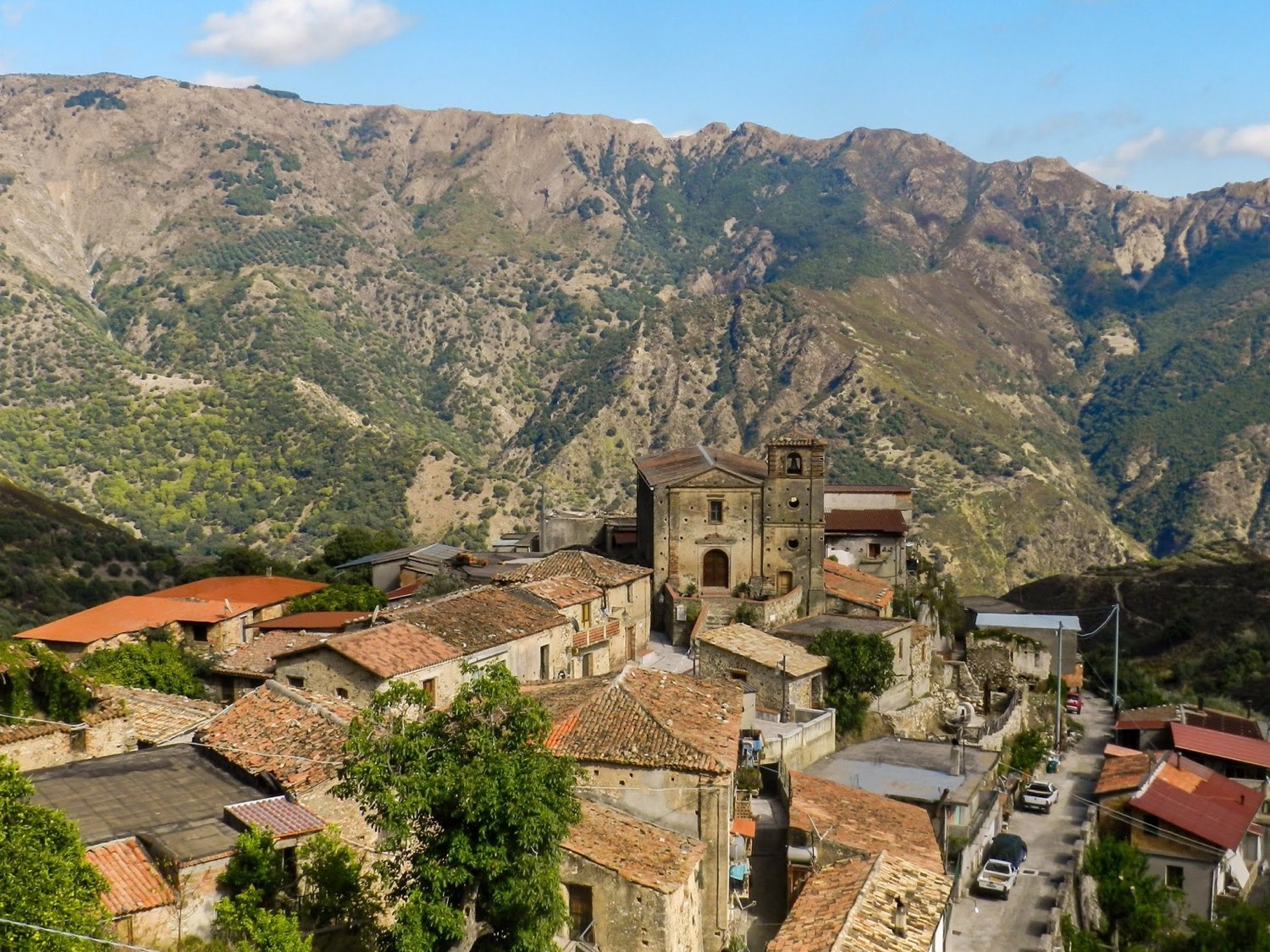
The village of Gallicianò

The Grecanic acropolis suspended over the Amendolea valley
About 621 m a.s.l.Hamlet of CondofuriHeart of Grecanic Calabria

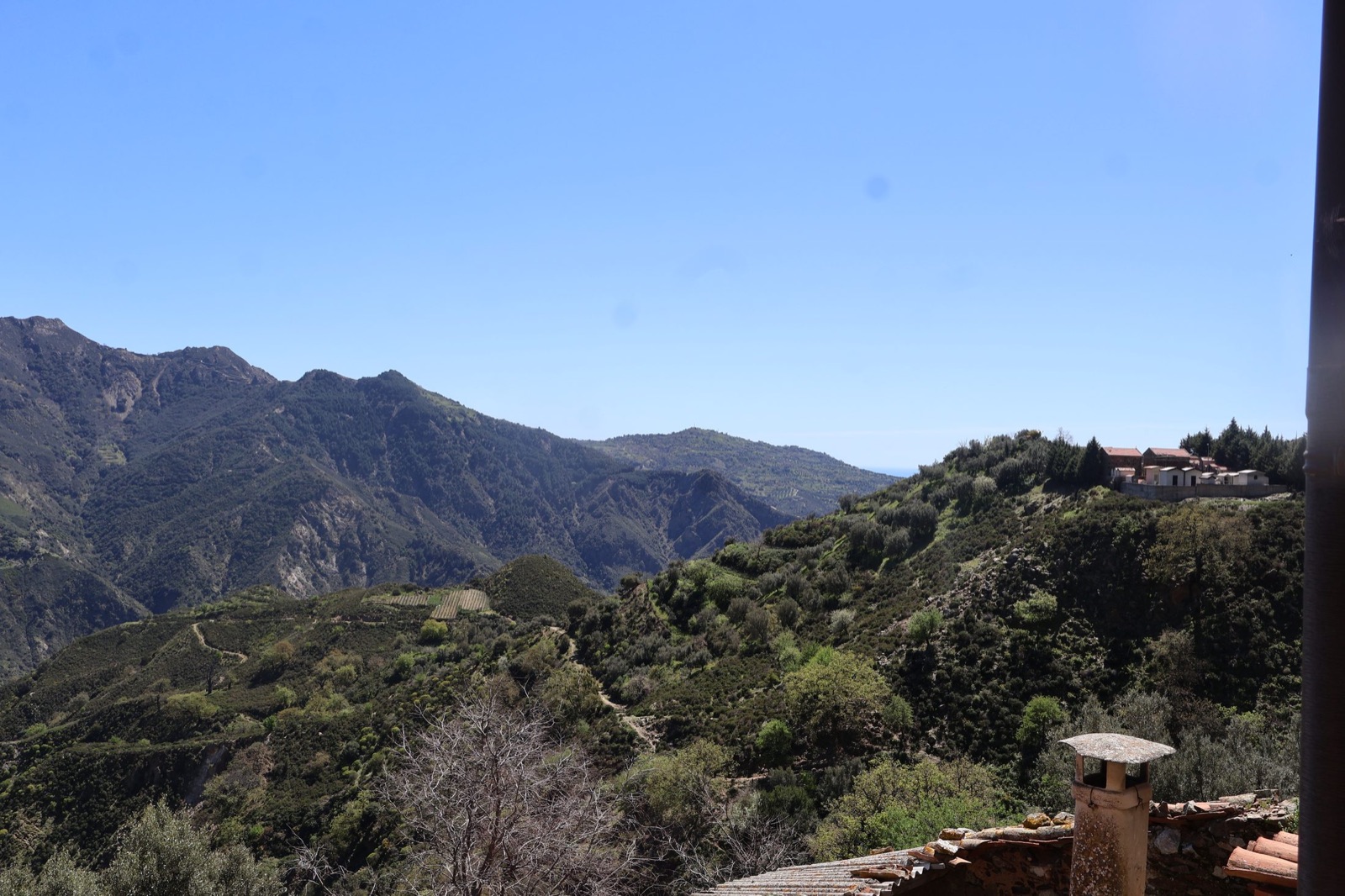
Gallicianò is one of the most identity-rich places in the Calabrian Grecanic area: a compact stone village overlooking the Amendolea River and linked to the memory of the Greek language of Calabria. Public sources describe it as a center of high cultural value, often called the acropolis of Grecanic Calabria.

How to visit it: Visit it slowly: enter from the parking lot, walk up into the village, look at the stone houses, stop at the panoramic points and use the guide as a narrative thread, not an obligatory route. The best visit is short, respectful and silent: Gallicianò should not be consumed, it should be listened to.

References: Aspromonte National Park; Calabria Straordinaria; Wikipedia
Fountain of Love - Amici Di Gallicianò Casa Giufà

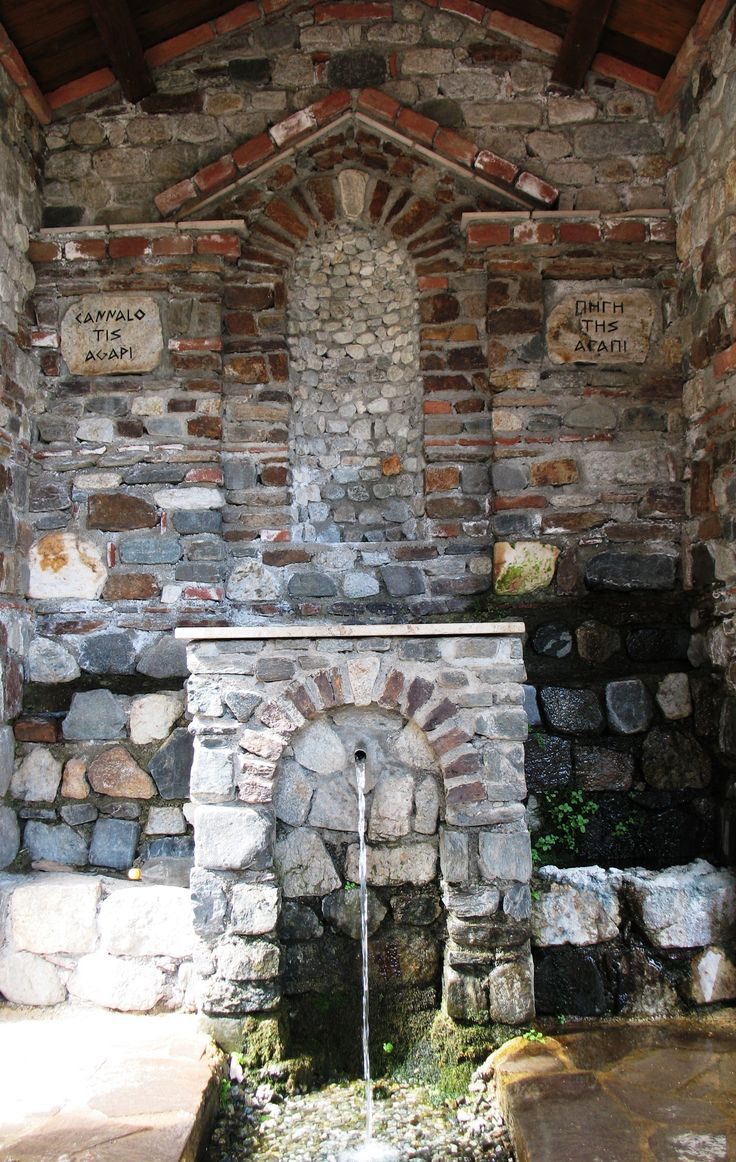
Fountain of Love

Cannalo tis Agapi, the meeting place
Symbolic place of the villageTradition of courtshipPerfect spot for a break

The Fountain of Love, also called Cannalo tis Agapi, is one of the most evocative symbols of Gallicianò. Sources say that here, once upon a time, girls went to fetch water and young men found the opportunity to meet them. The tradition of the 'ccippu', mentioned by the tourist portal of Reggio Calabria, tells of a ritual of promise and family acceptance linked to courtship.

How to visit it: Reach it on foot from the center of the village. Don't treat it as just a photographic backdrop: it's a place to talk about, because it turns a fountain into living memory. Include it in the short visit of the village along with the theater, the museum and the church.

References: Tourism Reggio Calabria; Aspromonte National Park; Calabria nell'Anima
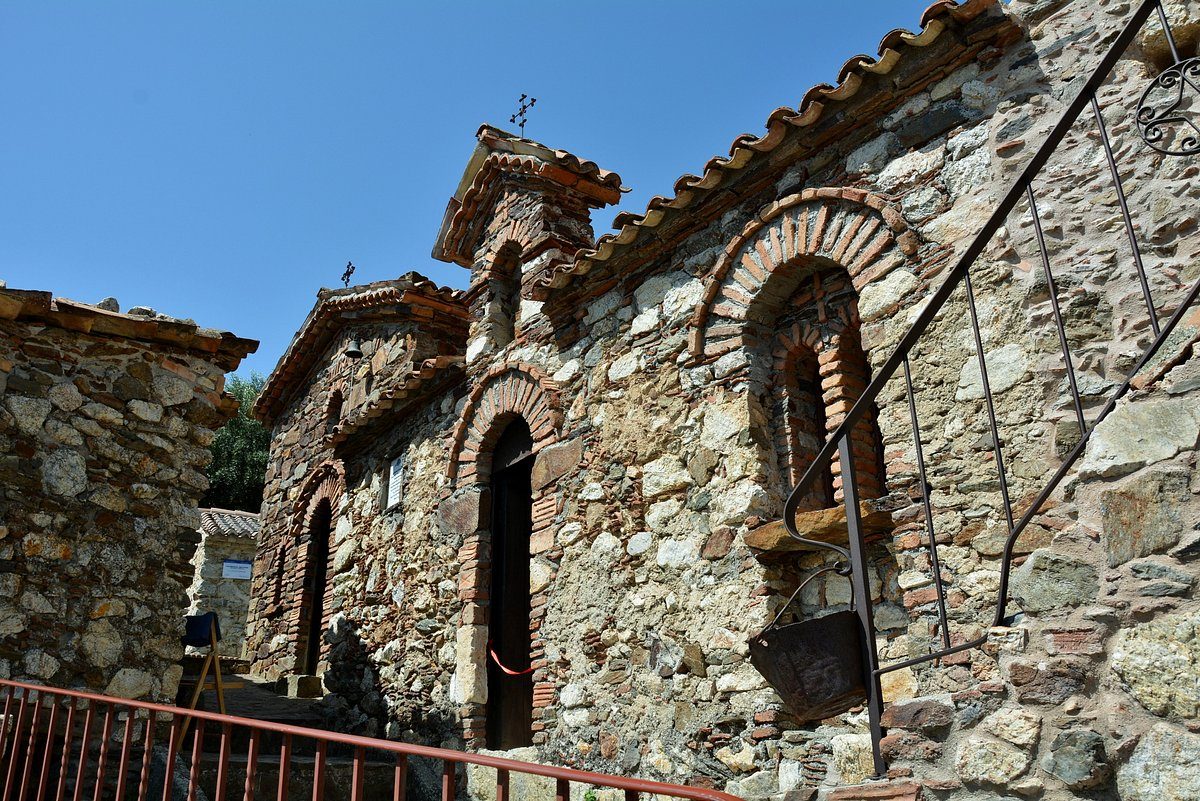
Orthodox Church of Madonna dei Greci - Amici Di Gallicianò Casa Giufà

Orthodox Church of Madonna dei Greci

Panaghìa tis Elladas, the Grecanic spiritual sign
Orthodox churchIcons and Byzantine memoryGrecanic identity

The small orthodox church of Madonna dei Greci is one of the places that makes Gallicianò different from a normal mountain village. Local and regional sources indicate it among the main points to visit, linking it to the Grecanic cultural continuity and the religious memory of the Byzantine area.

How to visit it: It should be presented with respect: not as an attraction to tick off, but as an identity place. Include it in the guide after explaining the Grecanic language, so the visitor understands why a small church can recount an entire civilization.

References: Aspromonte National Park; Calabria Straordinaria; Calabria Greca
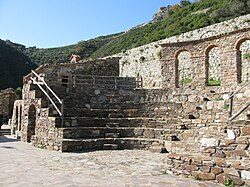
Amphitheater Patriarch Bartholomew I - Amici Di Gallicianò Casa Giufà

Amphitheater Patriarch Bartholomew I

An open stage overlooking the valley
Panoramic theaterOverlooking the valleyStrong photographic spot

Next to the church of Panaghìa, a small panoramic theater named after Patriarch Bartholomew I has been built. The semicircular steps look out over the valley: here the landscape becomes a natural scenography, without the need to build too much, something that humanity occasionally still manages to understand.

How to visit it: Recommend it as a stopping and storytelling point. It's perfect to explain the balance between stone, landscape and Grecanic memory. From here you can immediately feel why Gallicianò is not just a place to see, but a place to feel.

References: Wikipedia; Calabria nell'Anima; local tourist sources
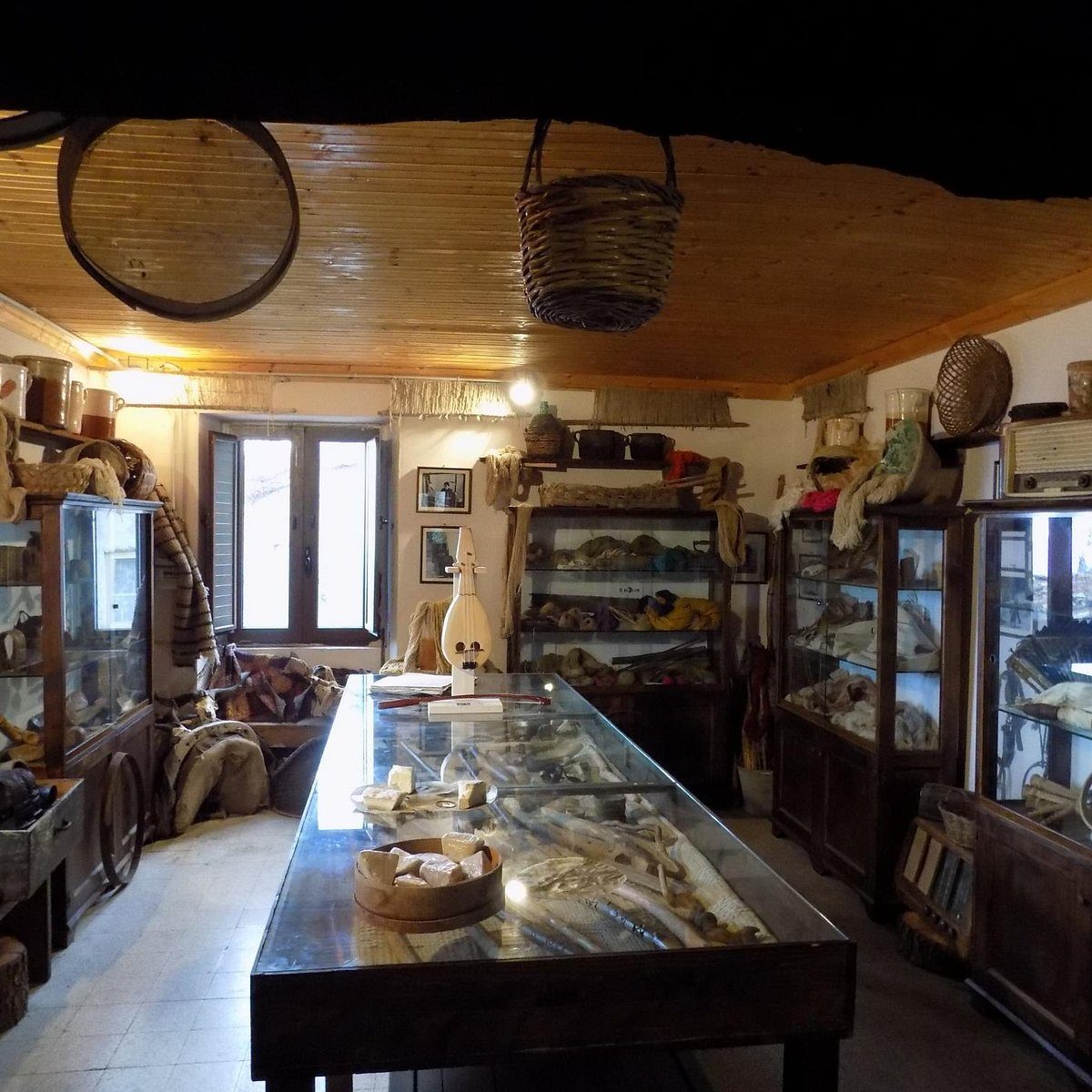
Ethnographic Museum Anzel Bogasari Merianù - Amici Di Gallicianò Casa Giufà

Ethnographic Museum Anzel Bogasari Merianù

Everyday objects become memory
Traditional toolsMemory of the villageMaterial culture

The Ethnographic Museum collects tools, household objects and instruments of local tradition. Calabria Greca recalls that the museum is dedicated to Angela Bogasari Merianoù, a Greek philosopher who arrived in Gallicianò in the seventies, attracted by the community and its roots. It is the place where history stops being abstract and becomes wood, fabric, iron, kitchen, work.

How to visit it: Include it in the guide as a step of understanding, not as a filler. First you observe the village, then you enter the memory of the objects. If it's not open, it should be recounted from the outside and indicated as a place to check before the visit.

References: Calabria Greca; Aspromonte National Park; Calabria nell'Anima
Church of San Giovanni Battista and Piazza Alimos - Amici Di Gallicianò Casa Giufà

Church of San Giovanni Battista and Piazza Alimos

The civil and religious heart of the village
Center of the villageMain squareOrientation point

The church of San Giovanni Battista and the area of Piazza Alimos represent the recognizable center of the village. Sources describe Gallicianò as a town that is articulated around the square and the church: here the clearest perception of community life is concentrated.

How to visit it: Use it as an orientation point: from the parking lot you walk up into the village, reach the center and build the tour from there. It is also the best place to explain how Gallicianò is small, but full of cultural density.

References: Wikipedia; Avvenire di Calabria; local sources
Amendolea River and Amendolea Castle - Amici Di Gallicianò Casa Giufà

Amendolea River and Amendolea Castle

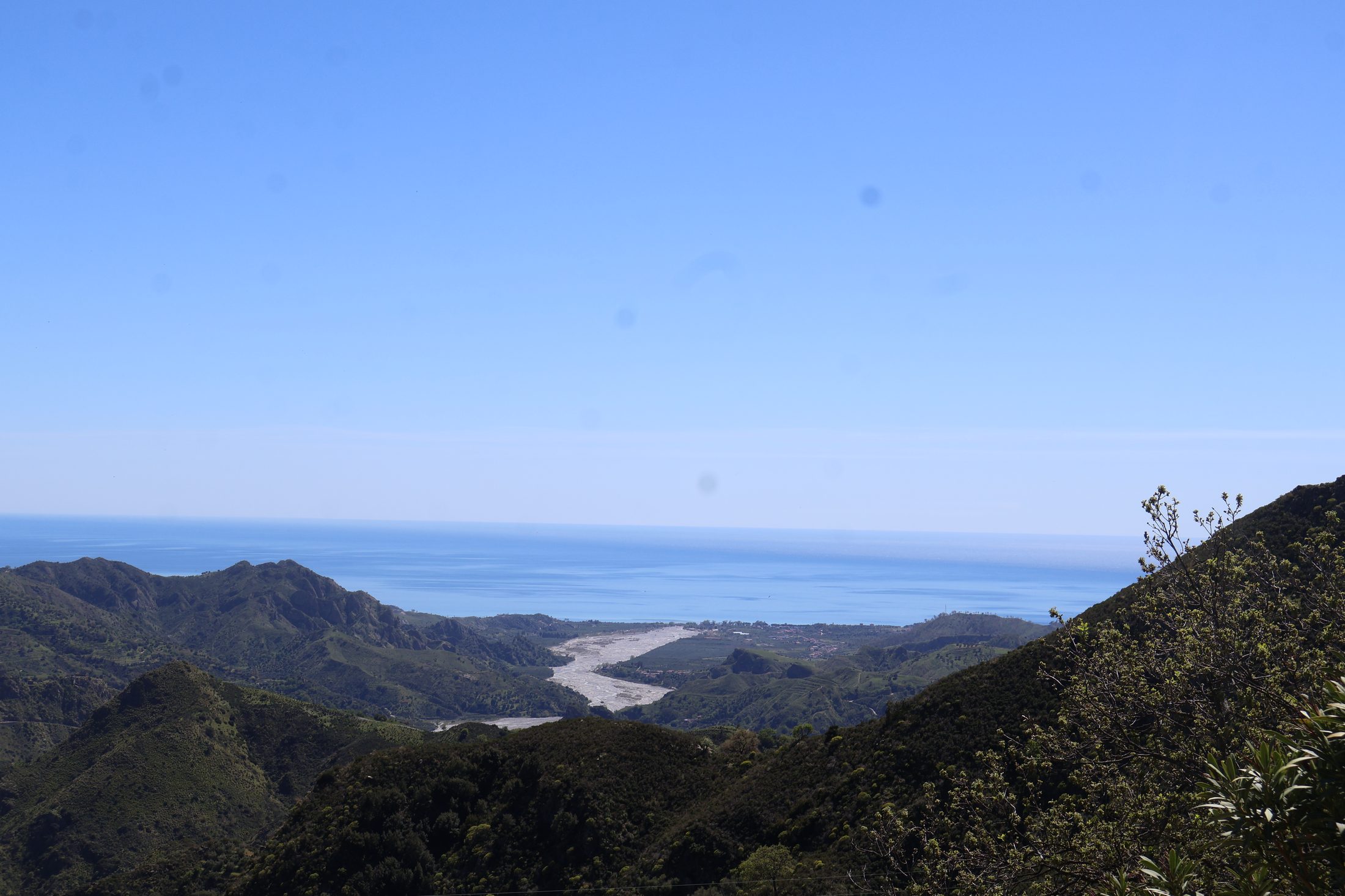
The valley that explains the landscape of Gallicianò
River and valleyTrekking referenceCastle and landscape

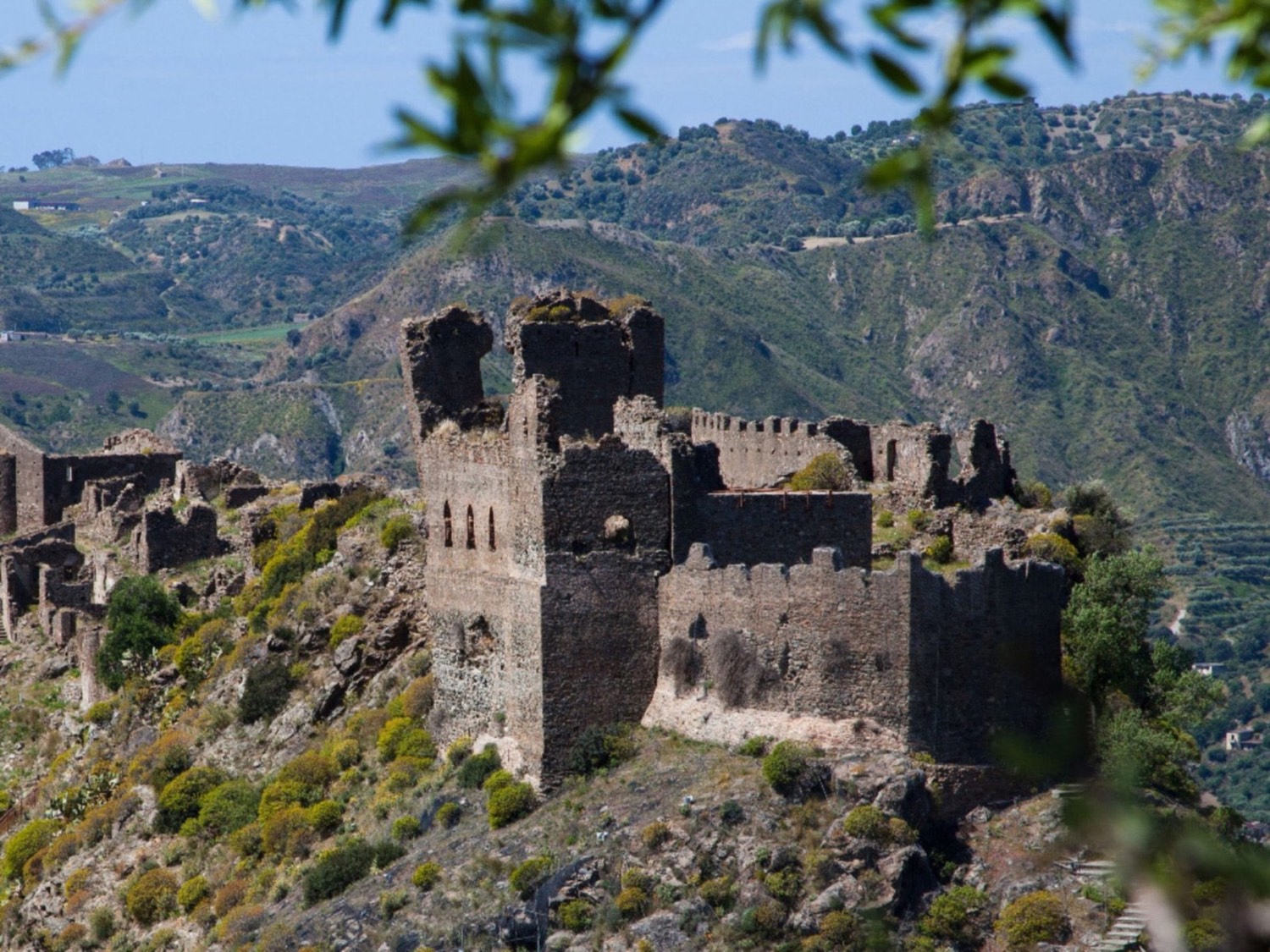
The Amendolea River is not just a natural element: it is the valley that gives depth to the story of Gallicianò. The trails towards Amendolea, Bova and Gallicianò cross a landscape made of water, stone, dry slopes, agricultural memory and historical settlements. The Castle of Amendolea completes this narrative with a powerful presence in the landscape.

How to visit it: It should be presented as an extension of the experience, not as a light promise. Here you need suitable shoes, good weather and to check the river flow. On the website it should be linked to the map, downloadable routes and safety notes.

References: Aspromonte National Park; Calabria Greca; Wikiloc
House of Music and Grecophone Library - Amici Di Gallicianò Casa Giufà

House of Music and Grecophone Library

Language, sound and Greek memory of Calabria
Grecophone cultureTraditional instrumentsLinguistic memory

Among the places mentioned by regional sources are also the House of Music and the Grecophone Library. They are important points because they tell what is often not seen immediately: the language, the sound, the knowledge passed down, the instruments, the texts and the fragility of a culture that risks disappearing if it becomes only scenography.

How to visit it: Include them as places to check before the visit. The visitor may not always be able to enter, but knowing they exist changes the way they cross the village: they don't just see houses, they see a cultural community.

References: Calabria Straordinaria; Wikipedia
Important note

Information, not an official tourist service

Amici Di Gallicianò Casa Giufà offers hospitality, practical information and local support to guests. Visits, trails and travel should be evaluated based on weather, season, physical conditions and availability of the people involved.

Navigation

Continue the visit without getting lost

You can go back, return to the Home page or go to the next page of the recommended path.